
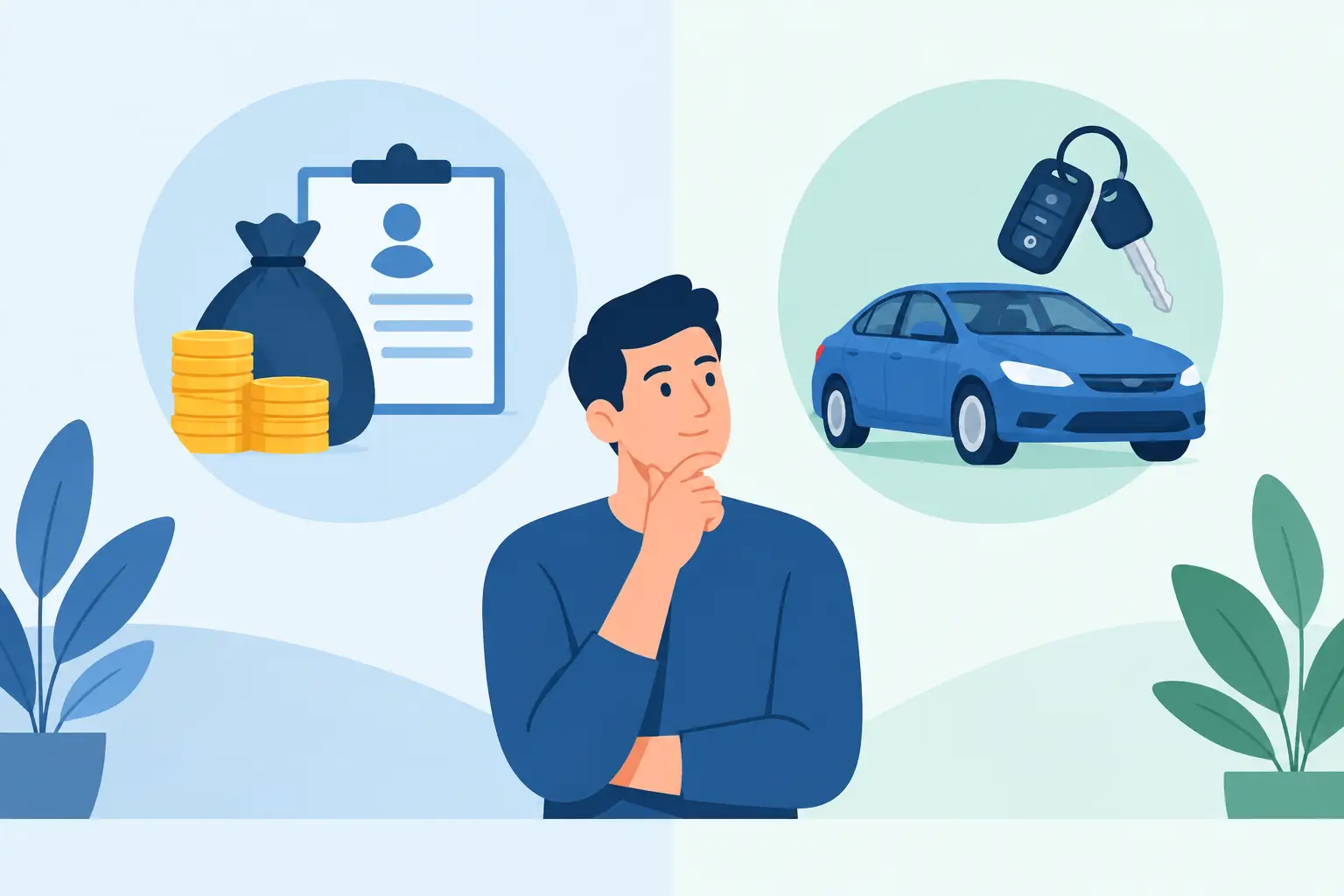
A shiny car in the dealership can make the decision feel simple. The finance paperwork is where it gets less clear. When weighing up personal loan versus vehicle finance, the better option is not always the one with the lowest advertised rate. It is the loan that suits the car, your cash flow and what you need to do next.
For some borrowers, a personal loan offers welcome flexibility. For others, vehicle finance can make repayments more manageable and provide a sharper interest rate. The key is understanding what you are giving up, as well as what you are getting.
Personal loan versus vehicle finance: the key difference
A personal loan is money borrowed for a broad personal purpose. You may use it to buy a car, cover registration and insurance, pay for repairs, or combine several costs into one loan. Depending on the lender and your circumstances, it may be secured or unsecured.
Vehicle finance is designed specifically for buying a vehicle. In many cases, the lender takes security over the car. This means the vehicle is tied to the loan until the finance is repaid or refinanced. Because the lender has an asset to fall back on, secured vehicle finance can sometimes come with a lower interest rate than an unsecured personal loan.
That distinction matters. A lower rate can reduce the total cost of borrowing, but it also brings conditions around the vehicle, insurance and selling the car before the loan is cleared.
When a personal loan may suit you better
A personal loan can be a practical choice when flexibility is your priority. Perhaps you are buying an older vehicle through a private sale, purchasing a car that does not meet a specialist lender’s age requirements, or need funds for more than the purchase price alone.
With an unsecured personal loan, the car is generally not used as security. That can make it easier to sell or trade the vehicle later, because you do not usually need the lender’s permission to release its interest in the car. You still owe the money, of course, but the vehicle transaction itself is simpler.
A personal loan can also suit borrowers who want a straightforward fixed repayment plan. You borrow a set amount over an agreed term and make regular repayments. If you have a stable income and a clear budget, this can feel easier to manage than a finance structure with a large final payment.
There are trade-offs. Unsecured lending can carry a higher interest rate because the lender is taking on more risk. Approval may also depend heavily on your income, expenses, credit history and existing debts. A personal loan is not automatically more flexible if the repayments leave little room in your household budget.
When vehicle finance can make more sense
Vehicle finance often works well when you are buying a newer car, ute, SUV or van with a clear value that the lender is prepared to use as security. The lender may offer a competitive rate, particularly where the vehicle is relatively new and bought through a dealer.
The security over the vehicle is a major reason rates may be lower. It does not mean the loan is risk-free. If you fall behind on repayments, the lender may have the right to repossess and sell the vehicle. That is why the repayment must be comfortable not only this month, but through changes such as a higher rent, reduced hours at work or an unexpected household expense.
Vehicle finance can include options that change the repayment shape. Some loans use a balloon payment, also called a residual or final payment. This leaves a larger amount owing at the end of the term, reducing your regular repayments along the way.
That can be useful if you expect to sell, trade in or refinance the vehicle at the end of the agreement. But it is not a discount. You will need a plan for that final amount, and the vehicle’s value may be lower than expected by then. A balloon is best treated as a known future bill, not a problem for later.
Look beyond the advertised interest rate
Interest rates matter, but they should not make the decision on their own. Two loans with similar rates can have very different costs and conditions.
Start by comparing the comparison rate where it is available, along with establishment fees, monthly account fees, early repayment costs and any broker or dealer charges. Ask for the total amount repayable over the full term. This gives you a clearer picture than a repayment figure shown in isolation.
Also check whether the rate is fixed or variable. A fixed rate makes budgeting more predictable because your repayments generally stay the same. A variable rate may change over time, which can help if rates fall but can also lift your repayment if rates rise.
Loan term is another pressure point. Extending a loan from three years to five years can lower each repayment, which may help your weekly budget. However, you will usually pay more interest overall and may be paying for a car long after its value has dropped significantly.
As a general guide, try to avoid financing a vehicle for longer than you genuinely expect to keep it. This is not always possible, especially when budgets are tight, but it is a sensible target. Being able to sell or trade the car without carrying a large leftover debt gives you more options.
Think about the car as well as the loan
The type of vehicle can influence which option is available and suitable. Lenders may have restrictions on a vehicle’s age, mileage, purchase price or whether it is bought privately or through a dealer. Some may be cautious about imported vehicles, specialist cars or vehicles used heavily for work.
If you are buying a used car privately, do your own checks before committing. Confirm the vehicle identification details, check for money owing on the vehicle and arrange an independent mechanical inspection where appropriate. Finance may be approved, but that does not guarantee the car is a good purchase.
It is also worth being honest about running costs. Fuel, servicing, tyres, insurance, registration and repairs can quickly add to the real monthly cost of ownership. If the loan repayment fits only before these costs are considered, the finance is probably too tight.
A simple way to choose between the two
Rather than asking which product is best in general, ask what you need the loan to do.
A personal loan may be worth considering if you want to buy an older or private-sale vehicle, need flexibility over how funds are used, or do not want the car tied directly to the loan. Vehicle finance may be more suitable if you are buying a vehicle that meets lender criteria and a secured rate gives you a meaningful saving.
Then test the repayment against your real budget. Include all your regular commitments, not just rent or mortgage payments. Set aside room for food, utilities, insurance, school costs, savings and the unexpected expenses that turn up in ordinary life. If the repayment only works in a perfect month, it is probably not the right amount to borrow.
Finally, consider your likely next move. Will you keep the car for the full loan term? Could you pay extra without penalty if your income improves? What happens if you need to sell it early? Clear answers to these questions are often more valuable than chasing a small difference in interest rate.
Questions to ask before signing
Before accepting either a personal loan or vehicle finance offer, ask the lender or adviser to explain the total loan cost, every fee, the repayment frequency and the consequences of paying out the loan early. If there is a balloon payment, ask exactly how much it will be and what options you will have at the end of the term.
You should also ask whether the loan requires comprehensive insurance, whether there are restrictions on selling the vehicle, and what happens if the car is written off. These details are easier to deal with before you sign than after an accident or a change in circumstances.
The right finance should help you get where you need to go without putting unnecessary pressure on the rest of your financial life. Take the quote home, compare it carefully and choose the option that still feels affordable after the excitement of buying the car has passed.

Comments are closed